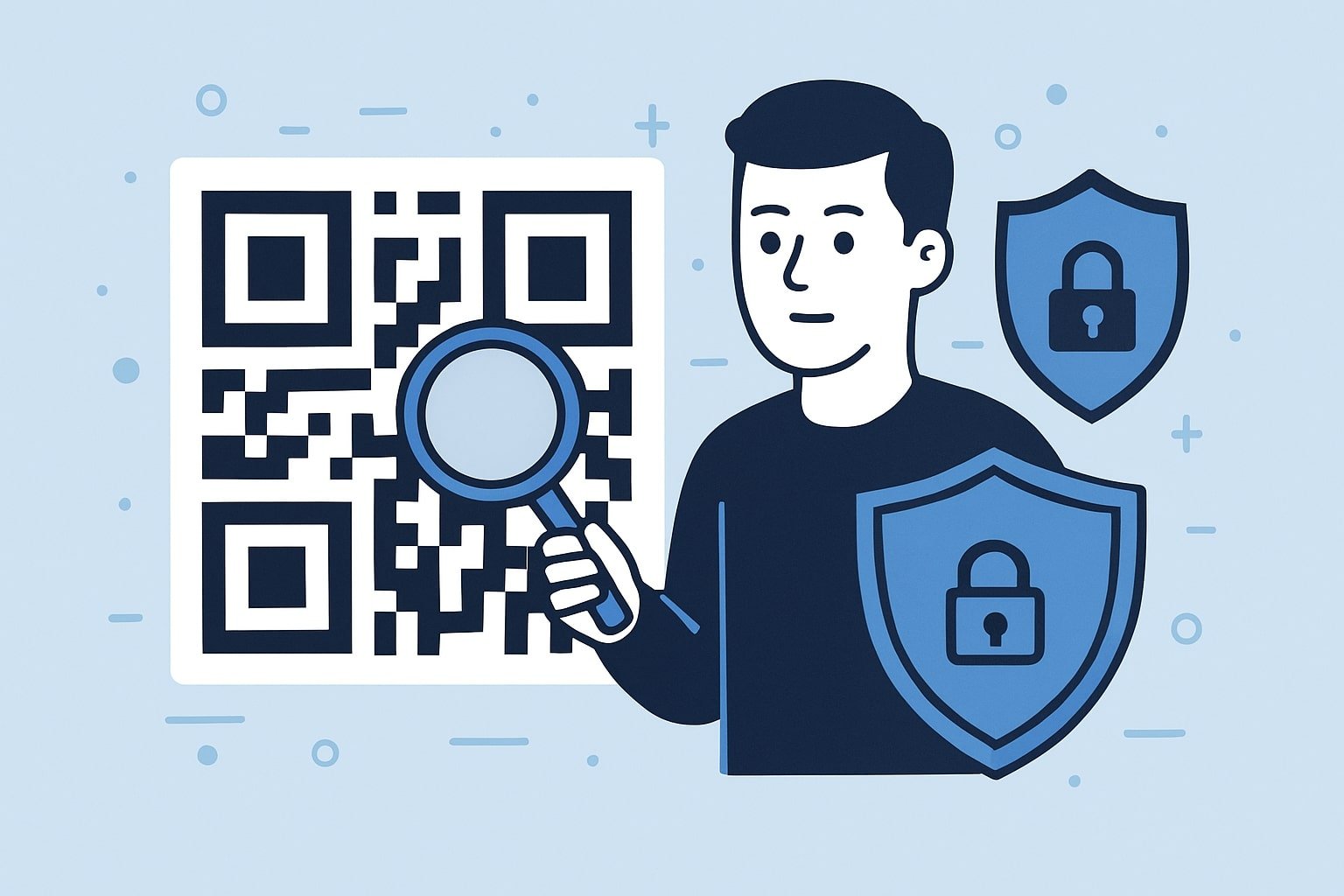
QR codes have become an integral part of our digital landscape, but with their widespread adoption comes the need for robust security measures. Understanding how to protect yourself and your organization from QR code-related threats is essential in today's interconnected world.
1. Use Secure QR Code Generators
Not all QR code generators are created equal. When creating QR codes for your business or personal use, choose reputable generators that prioritize security. Look for platforms that offer:
- HTTPS encryption for data transmission
- Regular security updates and patches
- Transparent privacy policies
- No data retention after generation
2. Implement Preview Features
Always preview the destination before scanning a QR code. Modern QR code scanners should display the URL or action before executing it. This simple step allows you to:
- Verify the destination URL looks legitimate
- Check for suspicious shortened links
- Avoid automatic downloads or actions
- Cancel the scan if something seems off
3. Educate Users About QR Code Safety
Education is one of the most effective security measures. Ensure your team and users understand:
- How to identify suspicious QR codes
- The importance of verifying sources
- When to avoid scanning codes in public places
- How to report suspected malicious codes
4. Deploy Network-Level Protection
For organizations, implementing network-level security can provide an additional layer of protection:
- URL filtering to block known malicious domains
- Network monitoring for unusual traffic patterns
- Endpoint protection software on all devices
- Regular security audits and assessments
5. Establish QR Code Governance Policies
Create clear guidelines for QR code usage within your organization:
- Approval processes for creating official QR codes
- Standards for QR code placement and design
- Regular audits of existing QR codes
- Incident response procedures for compromised codes
6. Use Dynamic QR Codes for Better Control
Dynamic QR codes offer significant security advantages over static ones:
- Ability to update destinations without changing the code
- Real-time analytics and monitoring
- Option to disable codes immediately if compromised
- Access controls and user permissions
7. Regular Security Assessments
Conduct regular assessments of your QR code security posture:
- Audit all active QR codes quarterly
- Test scanner applications for vulnerabilities
- Review access logs and analytics
- Update security protocols based on new threats
8. Mobile Device Security
Since QR codes are primarily scanned with mobile devices, ensure these devices are properly secured:
- Keep operating systems and apps updated
- Use reputable antivirus software
- Enable automatic security updates
- Avoid scanning codes on unsecured networks
By implementing these comprehensive security measures, you can significantly reduce the risks associated with QR codes while still enjoying their convenience and efficiency. Remember, security is an ongoing process that requires vigilance and regular updates to stay ahead of evolving threats.